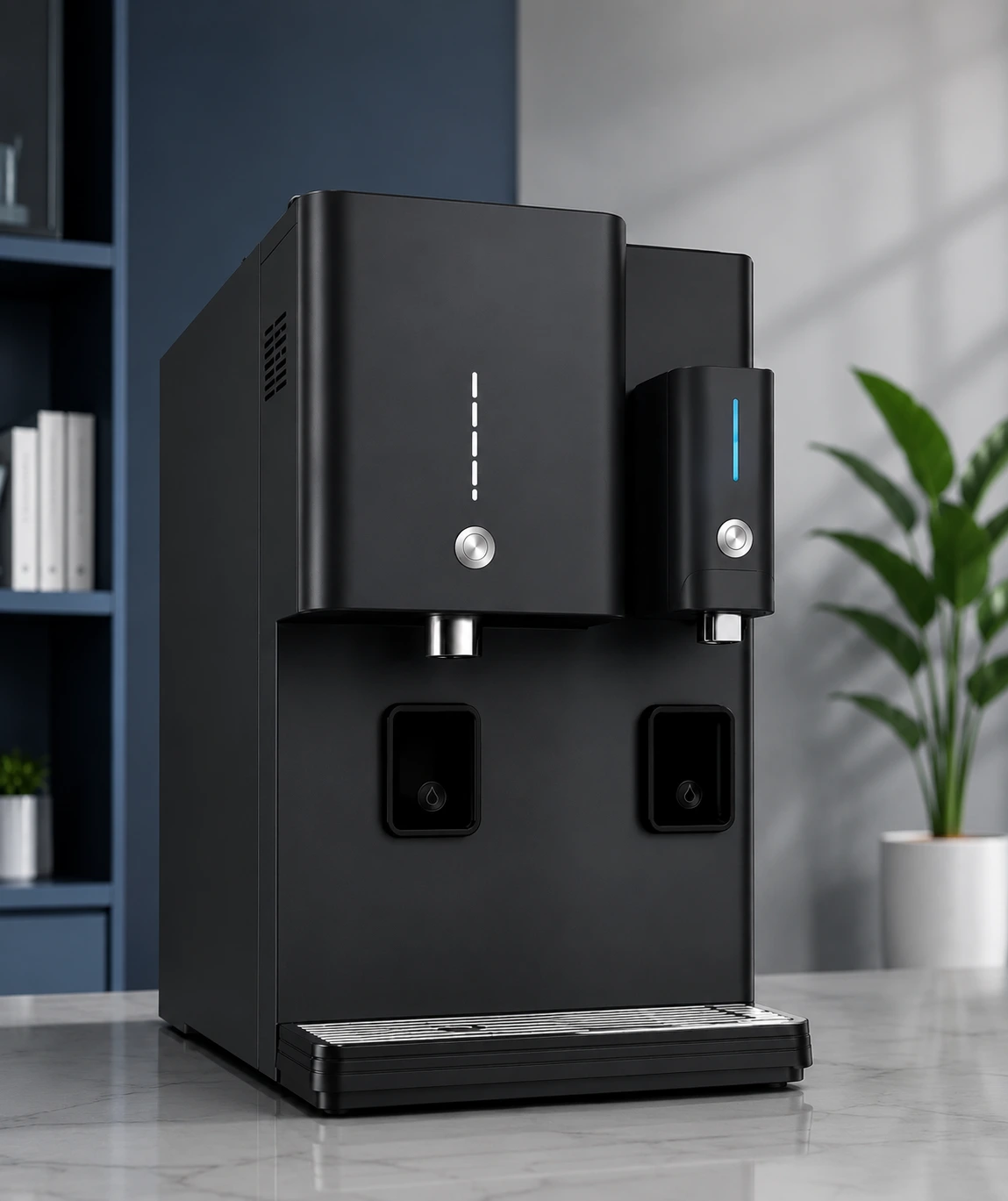
The quality of drinking water depends on more than how clear it looks. Water can contain dissolved salts, minerals, metals, and other contaminants that are not visible to the naked eye. Basic filters can remove particles such as dust, sand, and sediment, but they may not reduce many dissolved impurities.
A reverse osmosis water purifier uses pressure to push water through a semipermeable membrane, helping reduce a wide range of dissolved contaminants. An RO water filter can therefore provide a different level of treatment compared with standard sediment or carbon filters. This blog explains how reverse osmosis works, the contaminants it can reduce, its benefits and limitations, and how to choose and maintain an RO system.
What Is Reverse Osmosis?
Reverse osmosis is a water purification process that uses pressure to push water through a semipermeable membrane. The membrane allows water molecules to pass through while retaining many dissolved salts, minerals, metals, and other impurities. A reverse osmosis water purifier uses this process to produce treated water for drinking and household use.
In natural osmosis, water moves through a semipermeable membrane from an area with a lower concentration of dissolved substances toward an area with a higher concentration. Reverse osmosis works in the opposite direction. External pressure forces water through the membrane toward the cleaner side, leaving many dissolved impurities behind.
The treated water that passes through the membrane is called permeate, while the concentrated water containing the retained impurities is called reject or concentrate water. TDS, or total dissolved solids, refers to the dissolved substances present in water. Overall, RO is a pressure driven membrane separation process that can reduce many dissolved contaminants.
How Does an RO Water Purifier Work?
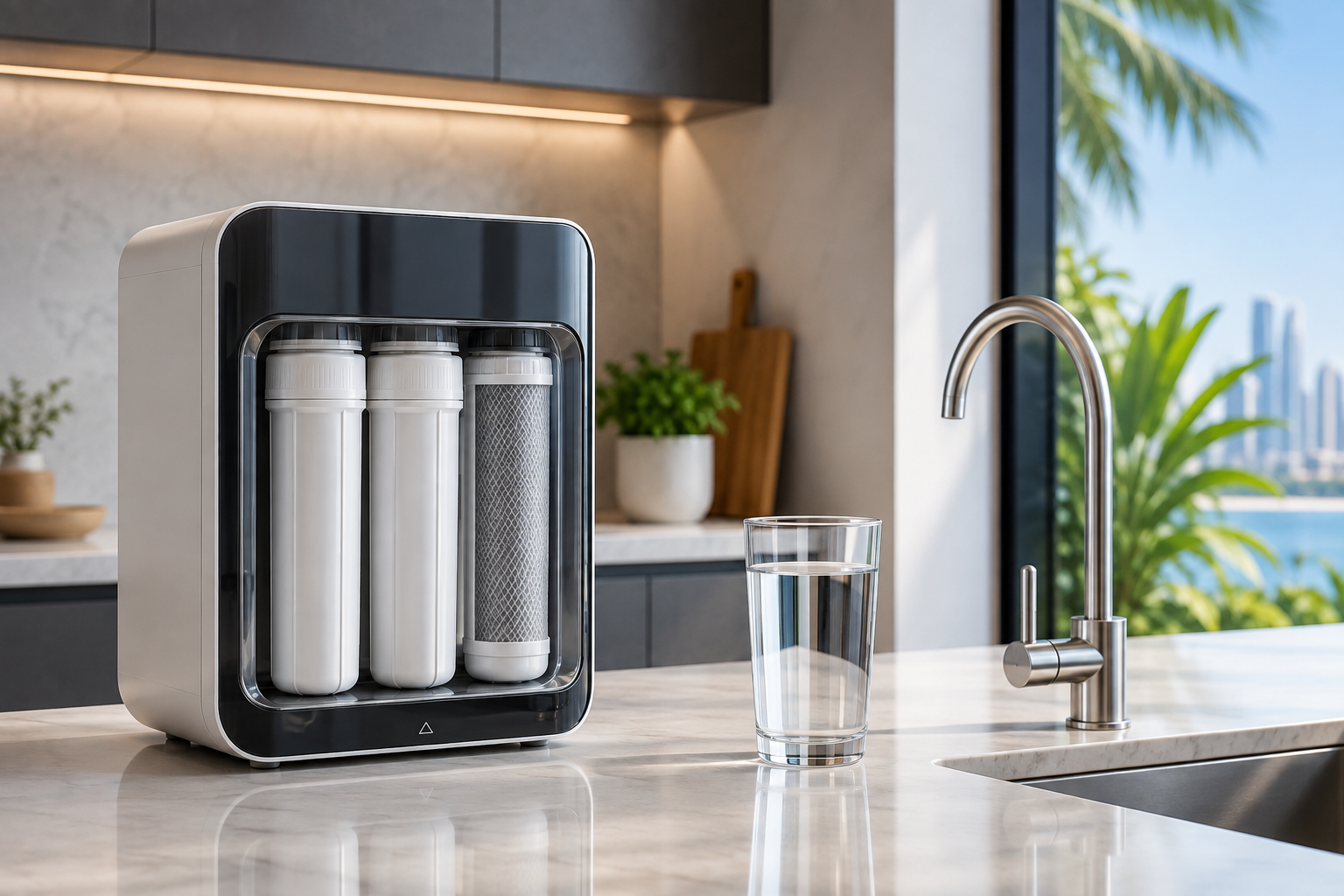
An RO water purifier typically uses several filtration stages to treat water before it reaches the drinking-water outlet. Each stage performs a different function, with the RO membrane providing the main reduction of many dissolved contaminants.
Stage 1: Sediment filter
The incoming water first passes through a sediment filter, which removes suspended particles such as sand, dust, rust and mud. This helps protect the carbon filter and RO membrane from clogging.
Stage 2: Activated carbon filter
The water then passes through an activated carbon filter that reduces chlorine, unpleasant odors and certain substances that can affect taste. It also helps protect the RO membrane from chlorine damage.
Stage 3: RO membrane
A booster pump may apply pressure to the water before it reaches the semipermeable RO membrane. Water passes through the membrane, while many dissolved salts, metals and other contaminants are retained in the reject-water stream.
Stage 4: Storage tank
The treated water is stored in a tank, allowing it to be available when the reverse osmosis water purifier is not actively producing water.
Stage 5: Post-carbon filter
A post-carbon filter may be used before dispensing to improve the final taste and odor.
Some systems also include UV, UF, remineralization, mineral cartridges, TDS controllers or alkaline filters. However, having more stages does not automatically mean better purification. The right configuration depends on the quality and characteristics of the incoming water.
What Contaminants Does an RO Water Filter Reduce?
A reverse osmosis water filter can reduce many dissolved contaminants that ordinary sediment and carbon filters may not effectively remove. However, its performance depends on factors such as the type and condition of the membrane, system design, water pressure, maintenance and the manufacturer’s specifications.
RO systems can commonly reduce:
- Dissolved salts and minerals, including sodium and chloride
- Metals such as lead, arsenic, copper and chromium
- Fluoride and nitrates
- Certain PFAS and other dissolved contaminants, depending on the membrane and system
Properly designed and maintained RO systems can also reduce certain bacteria and viruses, although performance varies between systems and should be verified through the manufacturer’s tested or certified claims.
Sediment filters mainly remove suspended particles such as dust, sand and rust, while activated carbon filters are useful for reducing chlorine, odors and some organic compounds. They generally do not provide the same level of reduction for dissolved salts and minerals as RO.
A reverse osmosis water filter does not remove every possible contaminant. Therefore, consumers should check certified performance claims for the specific contaminants present in their water rather than choosing a system based only on the number of filtration stages.
Benefits of a Reverse Osmosis Water Purifier
A reverse osmosis water purifier offers several benefits when the source water contains dissolved contaminants that basic filtration cannot adequately reduce.
- Reduces dissolved impurities: RO can reduce many dissolved salts, minerals, metals and other contaminants that are too small for ordinary sediment filters to remove. This makes it useful when testing shows that dissolved impurities are a concern.
- Can improve taste and odor: Carbon filters used in many RO systems can reduce chlorine and unpleasant odors. Reducing certain dissolved substances may also improve the taste of drinking water.
- Useful for high-TDS water: RO can be considered for borewell, brackish or high-TDS water when testing indicates that dissolved solids need to be reduced. It can help reduce substances that contribute to a salty taste or scaling.
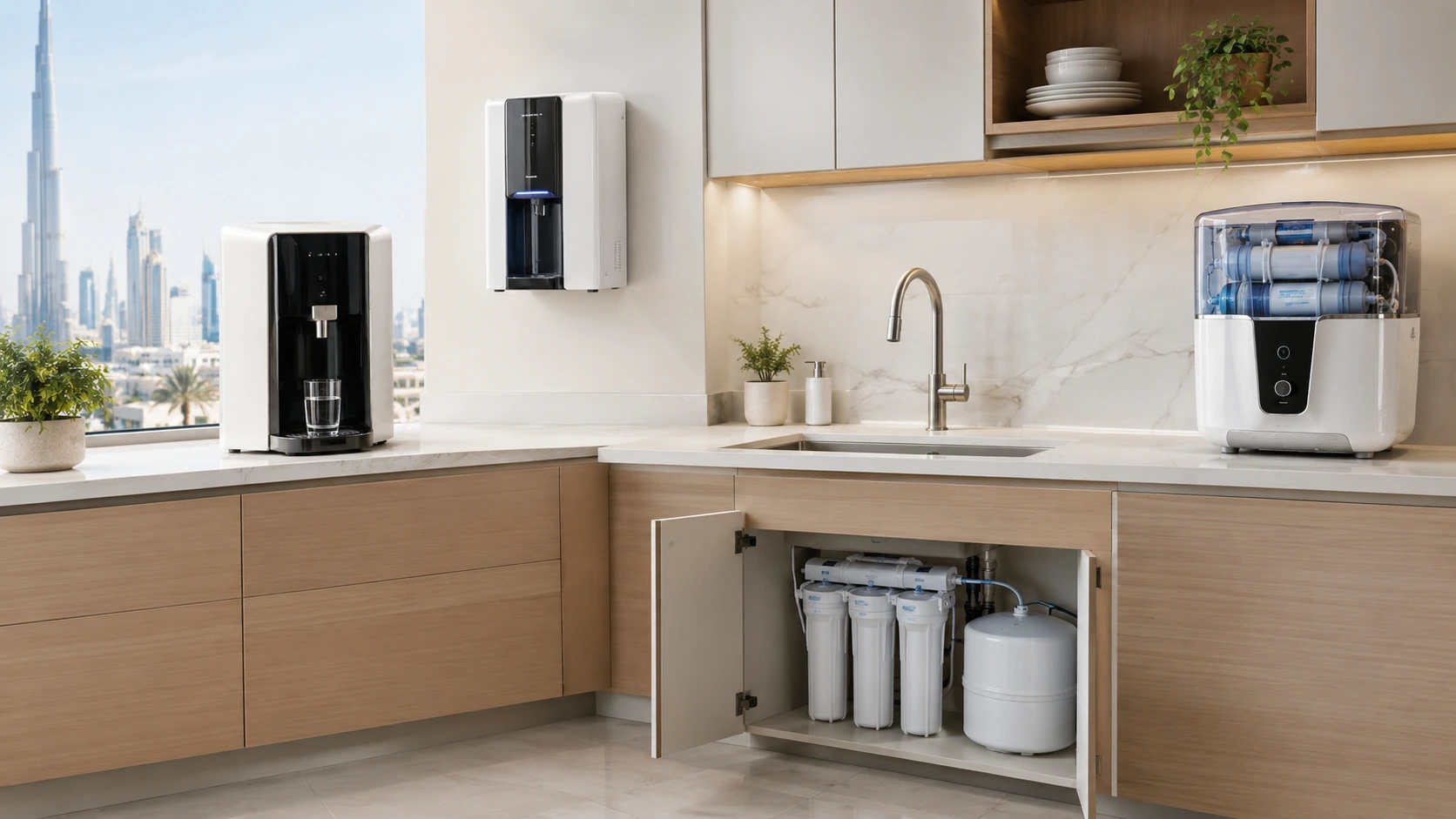
- Provides point-of-use purification: An RO system can be installed under a kitchen sink or at a dedicated drinking-water outlet, treating water close to where it is consumed.
- Works with other technologies: RO can be combined with sediment and carbon filtration, UV, UF or remineralisation stages to address different water-quality concerns. The combination should be selected according to the characteristics of the source water.
Limitations of RO Water Purification
Although a reverse osmosis water filter can reduce many dissolved contaminants, it also has some limitations that should be considered before installation.
- Produces reject water: RO separates treated water from a concentrated reject stream containing higher levels of retained substances. Older or less efficient systems may produce more reject water, so it is useful to compare recovery rates and water-efficiency specifications before choosing a model.
- Reduces some minerals: RO can reduce naturally occurring minerals such as calcium and magnesium along with other dissolved substances. Systems with remineralization stages can add selected minerals back to the treated water.
- Requires regular maintenance: Sediment filters, carbon filters, post-filters and RO membranes need periodic replacement. Poor maintenance can affect water quality, flow and overall system performance.
- Needs pressure and electricity: Many domestic RO systems use a booster pump to provide the pressure required for membrane filtration. Low water pressure or power interruptions can affect operation.
- May not be necessary for every water source: RO can be excessive for some treated municipal water supplies. Testing the source water can help determine whether RO is appropriate and which treatment technologies are actually needed.
RO Water Purifier vs Other Filters
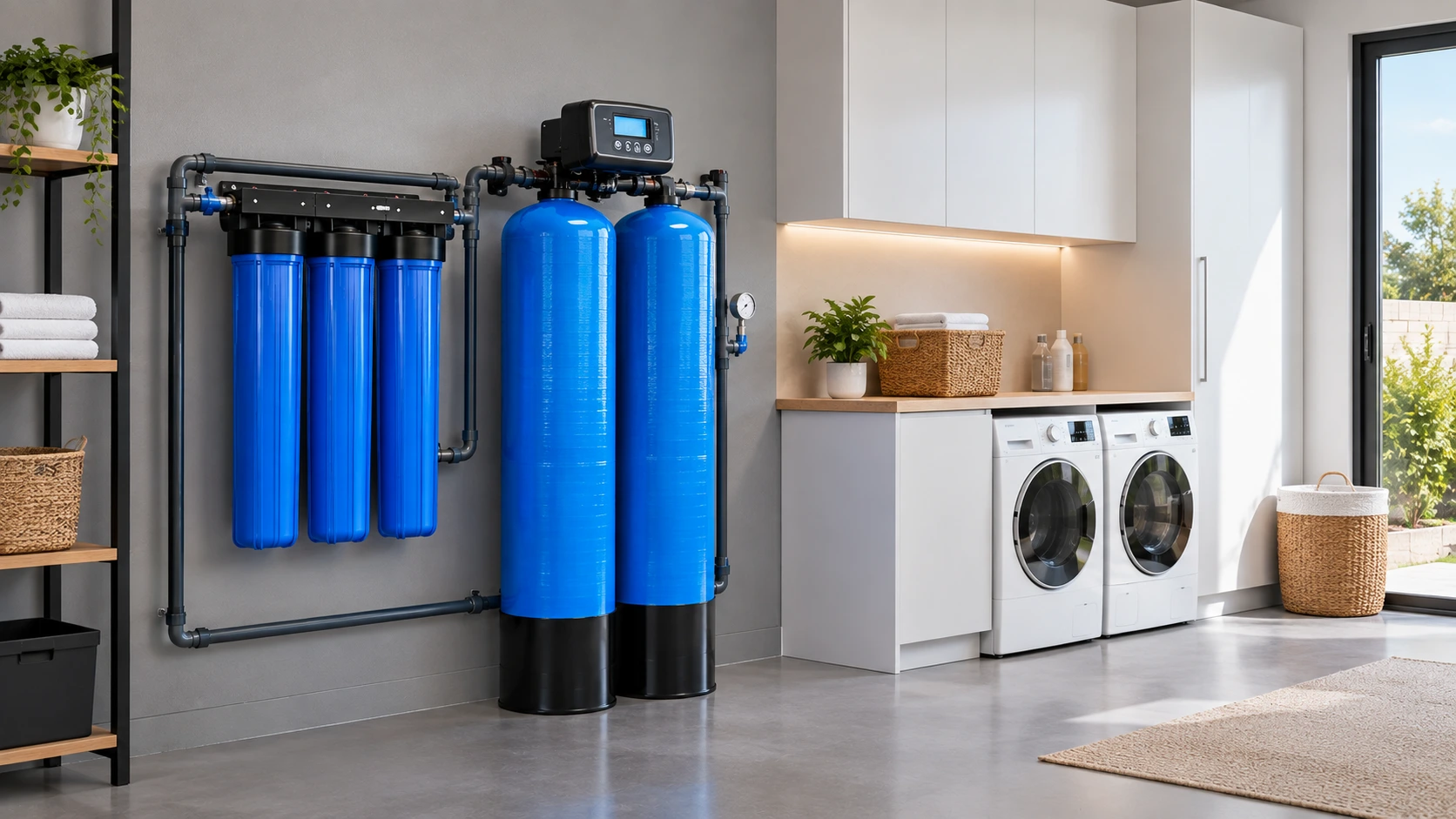
RO is not the only way to purify drinking water, and it is not necessarily the best option for every water source. Different filtration technologies target different contaminants. The key difference is that a reverse osmosis water purifier is designed to reduce many dissolved salts and contaminants, while other filters mainly target particles, chlorine, microorganisms or hardness.
| Filter type | Removes/reduces | Main limitation |
| Sediment filter | Dust, sand, rust and suspended particles | Does not remove dissolved salts |
| Activated carbon filter | Chlorine, odors and some organic compounds | Limited effect on dissolved minerals |
| UV purifier | Many bacteria and viruses | Does not reduce TDS or dissolved chemicals |
| UF purifier | Suspended particles and some microorganisms | Usually does not remove dissolved solids |
| RO purifier | Many dissolved salts and certain contaminants | Produces reject water and requires maintenance |
| Water softener | Calcium and magnesium hardness | Does not provide complete drinking-water purification |
The right technology depends on the specific water-quality problem. A sediment filter may be sufficient for suspended particles, while UV can be useful when microbial contamination is a concern. RO is more appropriate when water testing shows high TDS or specific dissolved contaminants that need to be reduced. In some cases, combining different technologies can provide more suitable treatment.
How to Choose the Best Reverse Osmosis Water Filter
Choosing an RO system based only on brand, price or the number of filtration stages can lead to an unsuitable purchase. The right reverse osmosis water filter should match the quality of the incoming water, household requirements and long-term maintenance needs. Consider the following factors before making a decision:
- Test the source water for TDS, hardness, pH, turbidity and other relevant contaminants.
- Check whether the model has verified performance data for the contaminants found in the water.
- Compare the purified-water output with the amount of reject water produced.
- Review the cost and recommended replacement frequency of filters and the RO membrane.
- Check the storage-tank capacity and dispensing speed according to household usage.
- Confirm the required water pressure and electrical connection.
- Consider the availability and reliability of installation and after-sales service.
- Avoid choosing a purifier based only on its number of stages or marketing claims such as alkaline water.
RO Water Purifier Maintenance Guide
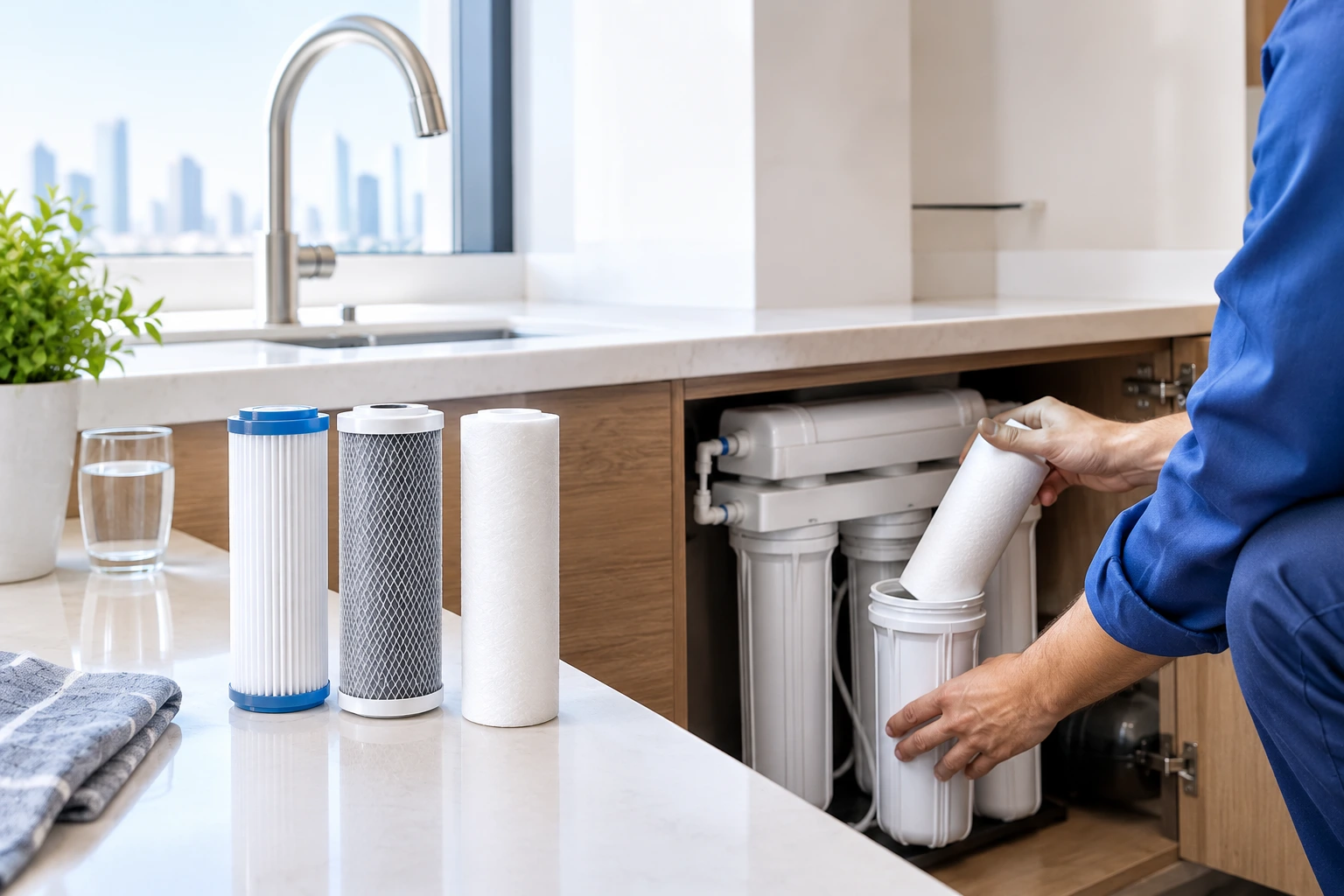
Regular maintenance helps a reverse osmosis water purifier maintain its performance and provide consistent water quality. Filters and membranes should be replaced according to the manufacturer’s recommendations and the conditions of the source water.
- Replace sediment, carbon and other filters at the recommended intervals.
- Watch for signs of reduced performance, including lower water flow, unusual taste or odor, leakage, longer filling times, changes in TDS rejection or unusual pump noise.
- Clean and sanitise the storage tank, faucet, tubing and other components according to the manufacturer’s instructions.
- Replace the RO membrane when required. Its lifespan can vary depending on water quality, daily usage, operating pressure and how effectively the pre-filters protect the membrane.
Conclusion
Reverse osmosis is an effective water purification method for reducing many dissolved contaminants, including salts, minerals and certain metals. It can be particularly useful when the source water contains dissolved impurities that standard filtration cannot adequately reduce.
However, RO also has limitations, such as reject-water production, mineral reduction and regular maintenance requirements. The right reverse osmosis water purifier should be selected based on water testing, verified performance claims, water efficiency and reliable long-term service support.