Is the water coming from your tap as clean as you expect it to be? While UAE homes generally receive treated, desalinated water through municipal supplies, factors such as storage tanks, internal plumbing, ageing pipes, and maintenance can affect water quality before it reaches your tap.
Before choosing a water filter for home system, it helps to know what is actually in your water. Water quality testing can identify issues such as chlorine, sediment, hardness, or other contaminants, helping you choose a filtration system that addresses your home’s specific needs.
How Water Sources Affect Filtration Needs
The source of your home’s water can influence its quality and determine what type of filtration may be appropriate. In the UAE, homes may receive water from municipal supplies, storage tanks, or, in some properties, private wells.
Municipal and Desalinated Water
Most UAE homes receive treated, desalinated water through municipal networks. The water is treated and monitored before distribution, but its quality at the tap can also be affected by the property’s storage and plumbing system.
Building and Rooftop Storage Tanks
Apartments and villas may use storage tanks before water reaches individual taps. Poor tank maintenance, inadequate cleaning, or ageing plumbing can affect water quality and contribute to sediment, odour, or other concerns.
Private Wells and Groundwater
Some villas, farms, and other properties may use private wells or groundwater. These sources can have different levels of minerals, hardness, iron, sulphur, or microbial contaminants, making water testing particularly important before choosing a filtration system.
Knowledge about the water source and testing its quality can help homeowners select a filtration system that addresses the specific characteristics of their water rather than choosing a system based on general assumptions.
Common Water Quality Concerns in UAE Homes
Water quality can vary between properties depending on the water source, storage conditions, and plumbing. Some common concerns homeowners may encounter include:
Chlorine and Taste or Odour
Disinfectants such as chlorine are used to control microbial growth in water supplies. While necessary for disinfection, they can sometimes affect the taste or odour of drinking water.
Sediment, Rust, and Particles
Sediment, rust, and other particles may enter water through ageing pipes, storage tanks, or internal plumbing. These particles can affect water appearance and may accumulate around taps and fixtures.
Hardness and Limescale
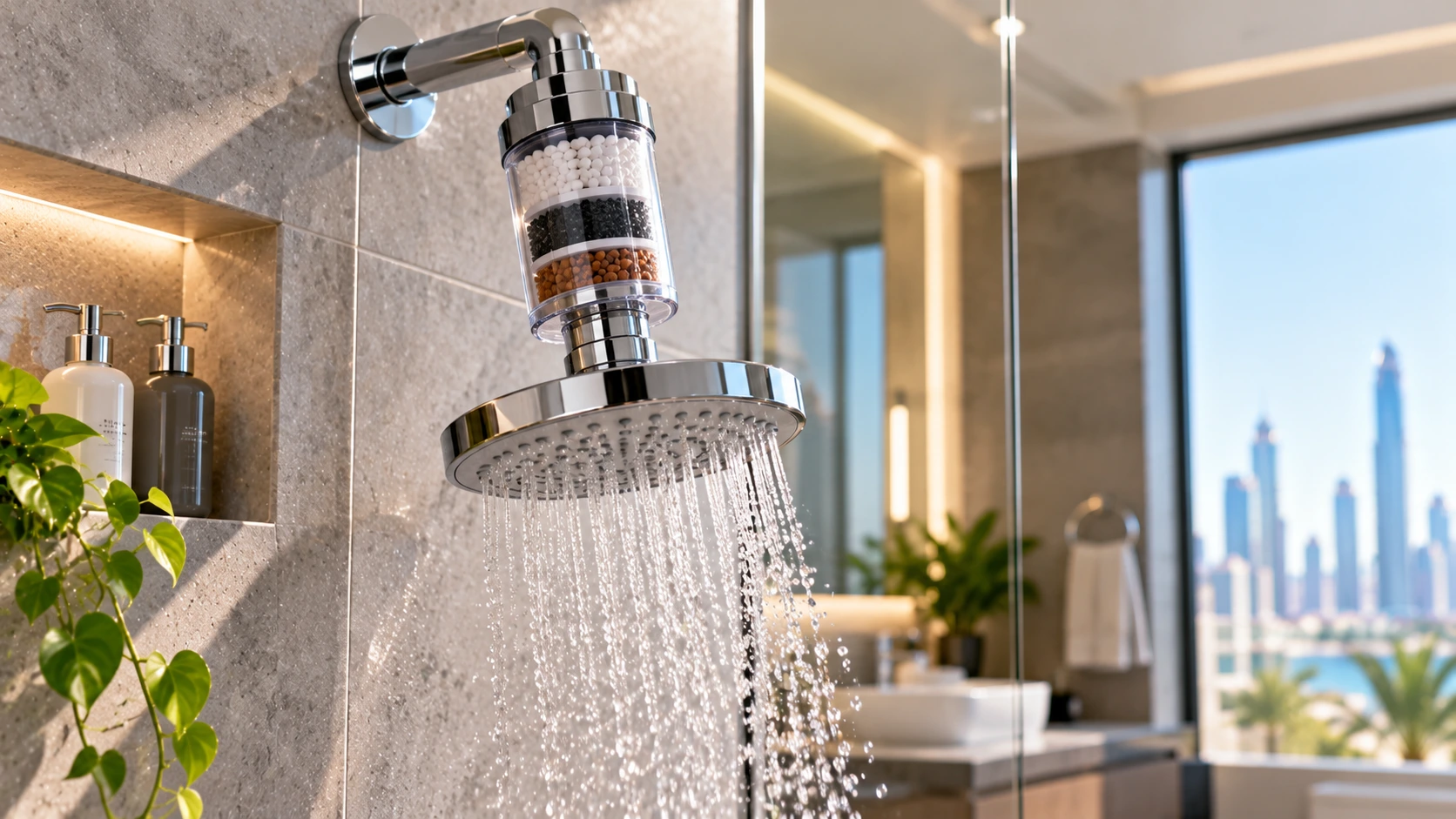
Hard water contains minerals such as calcium and magnesium. Over time, these minerals can form limescale on taps, showerheads, water heaters, and household appliances.
TDS and Dissolved Minerals
Total dissolved solids (TDS) refers to the amount of dissolved substances present in water, including minerals and salts. A TDS measurement can provide useful information about water composition, but TDS alone cannot determine whether water is safe or unsafe to drink.
Microbial Contamination
Poorly maintained storage tanks, stagnant water, or plumbing issues can create conditions that allow microbial growth. Testing can help identify whether microbial contamination is present.
Metals and Other Contaminants
Depending on the water source and plumbing materials, water may contain metals such as lead, copper, or iron. Testing helps determine whether these or other contaminants are present and whether specific treatment is required.
Why Test Your Water Before Choosing a Filtration System?
Testing your water before choosing a filtration system helps you understand what needs to be treated. Instead of selecting a filter based on assumptions, you can identify specific contaminants or water-quality characteristics and choose a system suited to your home’s needs.
It can also help determine whether the issue comes from the water supply, storage tank, plumbing, or a specific tap. Water testing can prevent unnecessary spending on an unsuitable water filter for home system and help you decide between a point-of-use filter and a whole-house system. Testing before and after installation also provides a useful way to assess whether the filtration system is addressing the identified concerns.
Types of Water Quality Testing for UAE Homes
Different types of water testing can help homeowners understand the quality of their water and identify potential concerns before choosing a water filter for home system .
TDS Testing
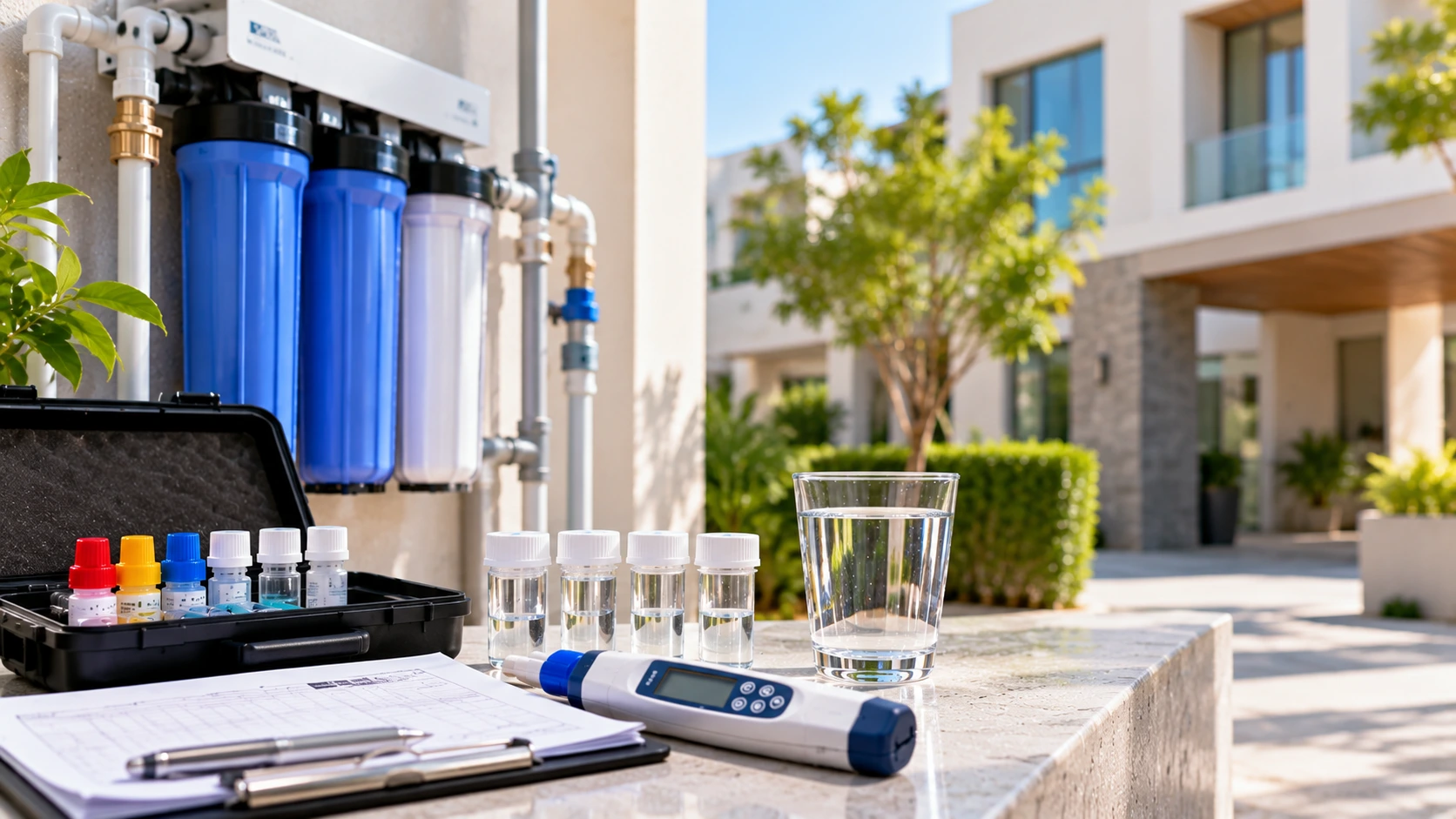
A TDS meter measures the total amount of dissolved substances in water, such as minerals and salts. It can provide a quick indication of changes in water composition, but it does not identify individual contaminants or confirm whether water is safe to drink.
Basic Home Water Testing
Home testing kits can check parameters such as chlorine, pH, hardness, and certain contaminants, depending on the kit. These tests can be useful for an initial assessment, but their accuracy and testing range can vary between products.
Laboratory Water Testing
Professional laboratory testing provides a more detailed assessment when specific concerns need to be investigated. Depending on the test, it can measure factors such as microbial contamination, metals, chemical parameters, turbidity, hardness, and TDS. For more reliable results, homeowners can use an appropriately accredited laboratory.
Municipal Water Quality Information
Water-quality information published by local utilities can provide useful background about the treated water supplied to an area. However, these reports may not reflect changes that occur after water enters a property’s storage tank, pipes, or internal plumbing.
How Water Test Results Determine the Right Filtration System
Water testing can help identify the type of treatment your home may need. Different water-quality concerns require different filtration or treatment methods, so the test results should guide the choice of water filter for home system .
Chlorine, Taste, and Odour
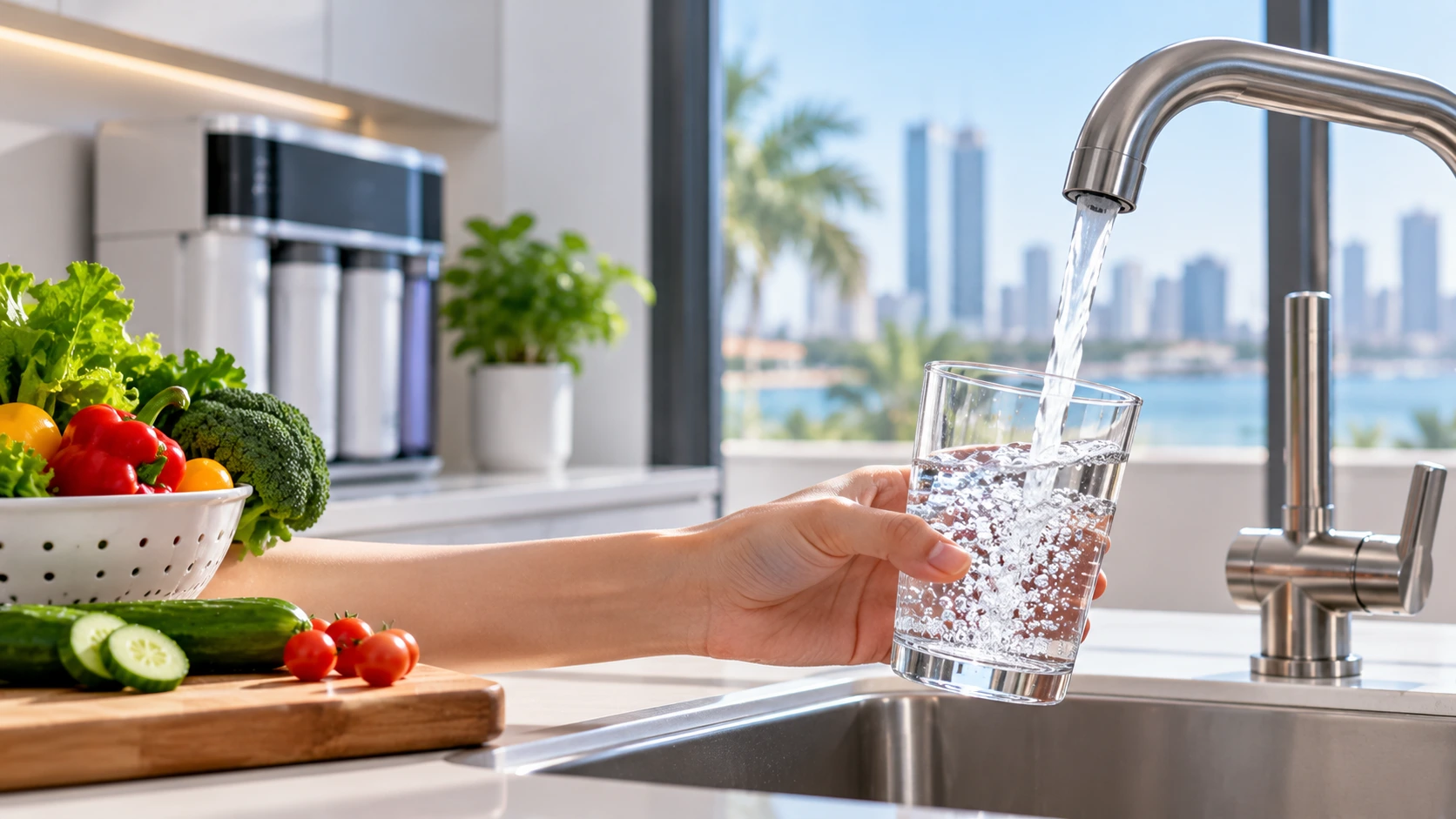
Activated carbon filters can help reduce chlorine and improve the taste and odour of drinking water. An under-sink carbon filter can be suitable when filtration is mainly needed for kitchen or drinking water.
Sediment and Visible Particles
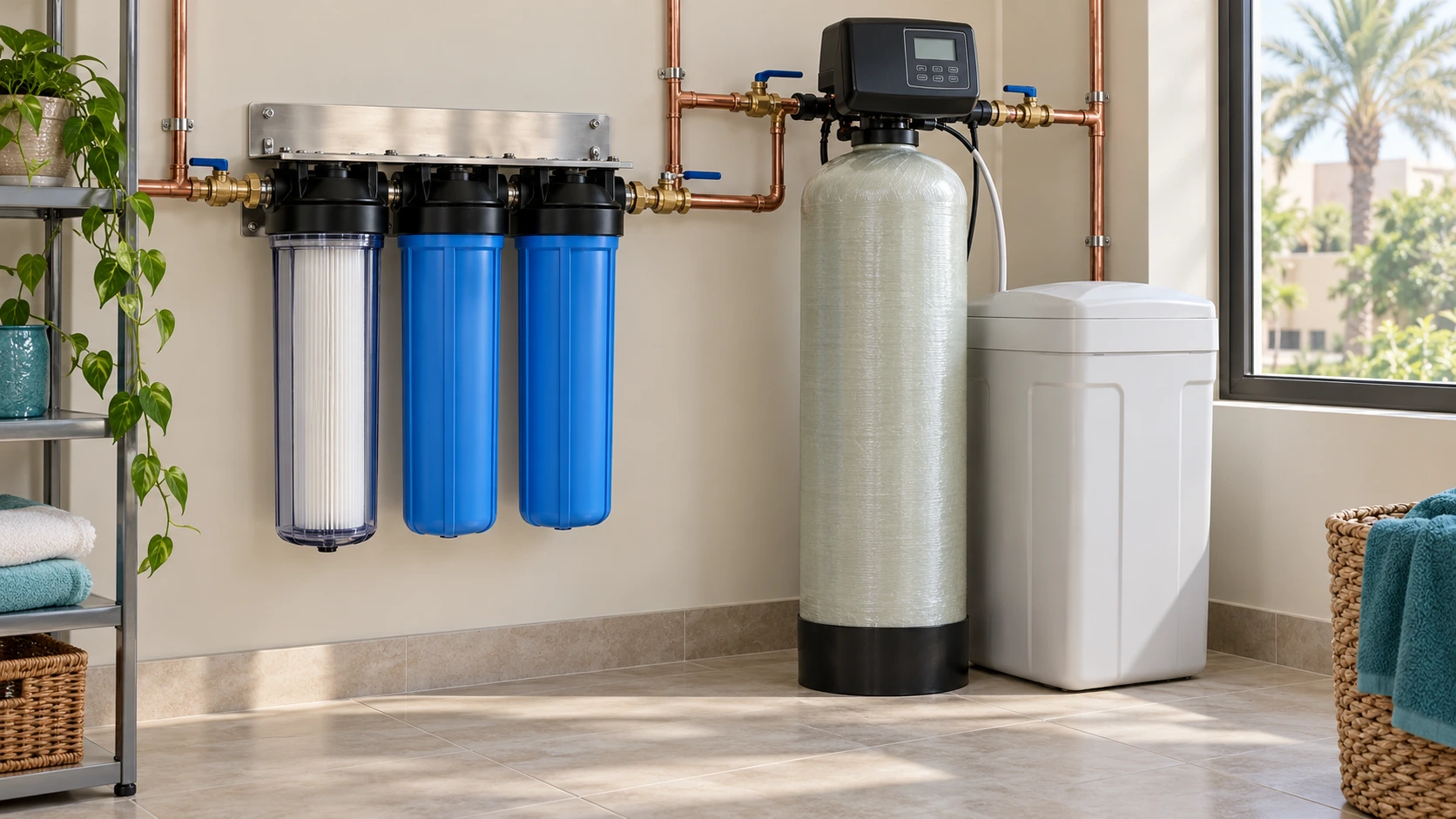
Sediment filters are designed to remove suspended particles such as sand, dirt, and rust. A whole-house sediment filter can treat water entering the property, while a pre-filter can also help protect other filtration components from larger particles.
High TDS or Specific Dissolved Contaminants
Reverse osmosis (RO) systems can reduce many dissolved substances from water. However, RO should be selected based on the overall water-quality results rather than TDS alone. Appropriate pre-filtration may also be needed to protect the RO membrane and improve system performance.
Hard Water and Limescale
Water softeners reduce hardness by removing calcium and magnesium ions, while anti-scale systems are designed to help control scale formation. The appropriate option depends on whether the goal is to reduce water hardness or mainly minimise limescale.
Microbial Contamination
UV systems can be used to inactivate microorganisms in water and may be combined with other filtration stages. It is important to distinguish between filtration, which removes certain particles or substances, and disinfection, which targets microorganisms.
Iron, Sulphur, or Well-Water Issues
Water containing elevated iron, sulphur, or other well-water-related contaminants may require specialised treatment. Laboratory testing can help identify the specific issue and guide the selection of an appropriate filtration or treatment system.
Choosing the Right Home Water Filtration System
The right water filter for home system depends on your water quality, household needs, available space, and whether you want to treat drinking water or the entire home. Common options include:
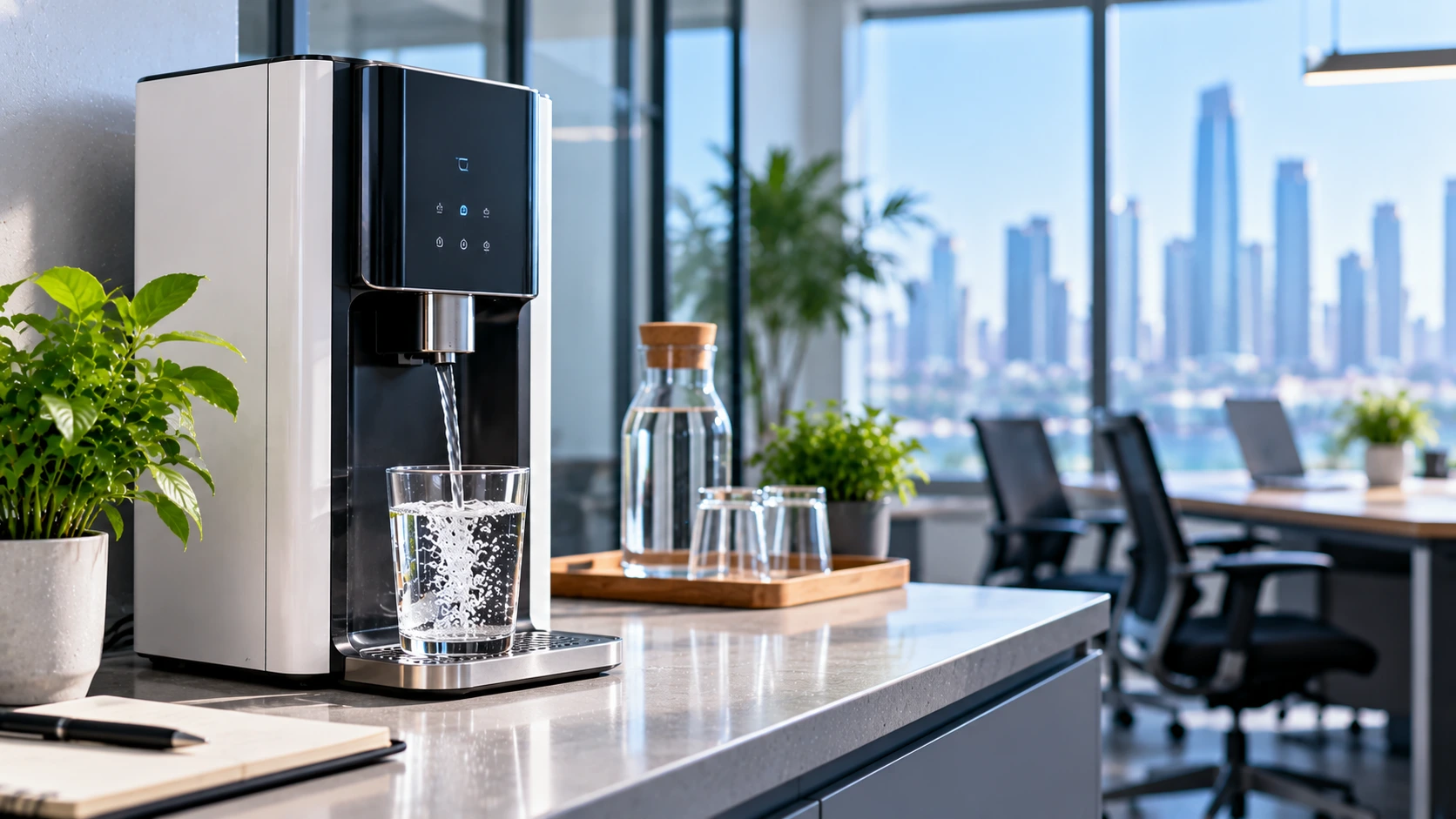
- Faucet or countertop filters: Convenient point-of-use options for basic filtration, particularly for renters or smaller households.
- Under-sink filtration systems: Suitable for drinking and cooking water, with the filter installed beneath the kitchen sink. Consider available space and regular cartridge replacement.
- Reverse osmosis systems: Often used for drinking water when testing identifies high TDS or specific dissolved contaminants. These systems require suitable pre-filtration and regular maintenance.
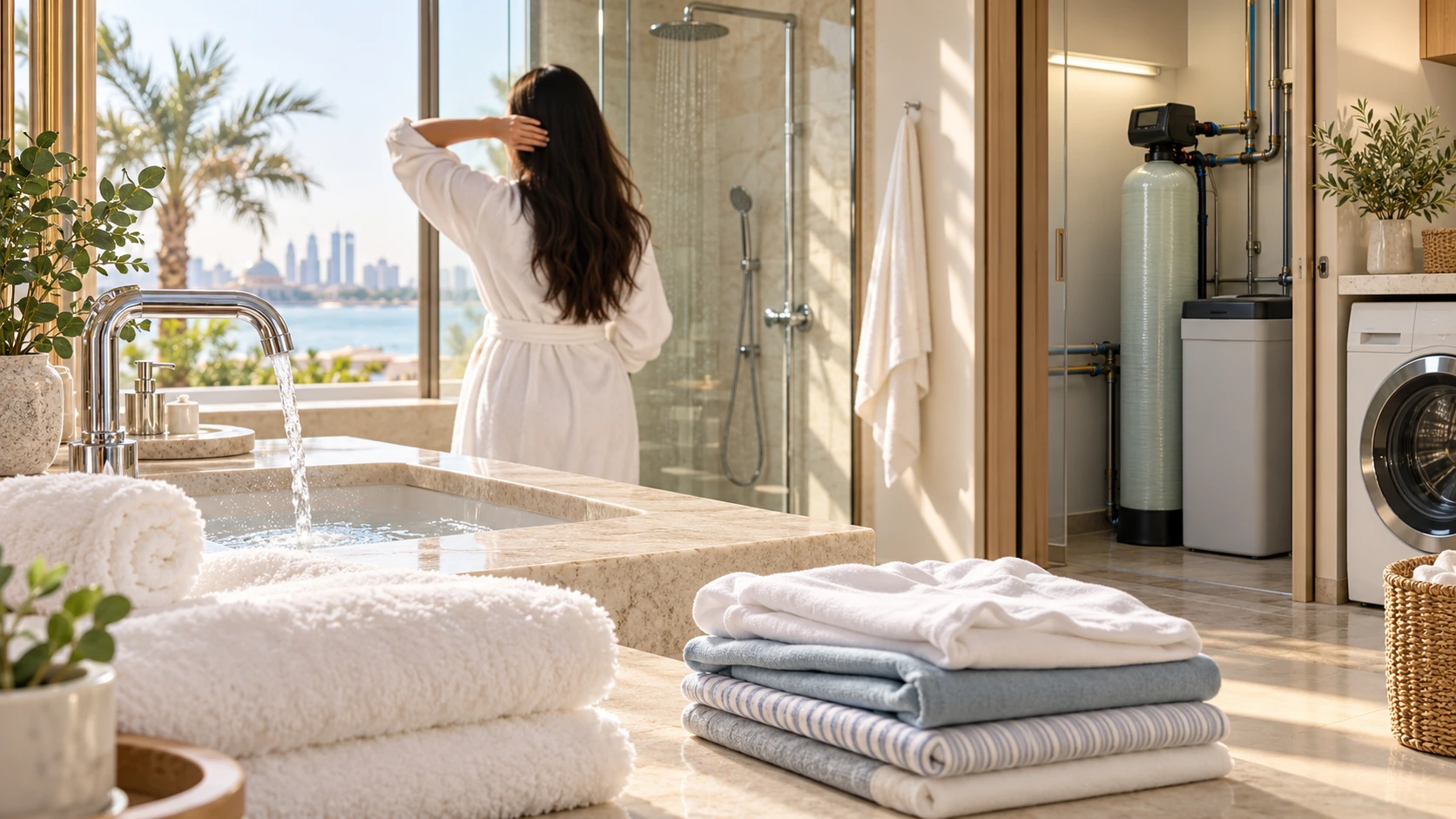
- Whole-house filtration systems: Installed at the main water inlet to treat water throughout the property, including water used in kitchens, bathrooms, laundry, and appliances.
- Water softeners: Designed to reduce water hardness and help address limescale. They serve a different purpose from drinking-water purification systems.
- UV systems: Used for microbial disinfection and may be combined with sediment and carbon filtration when broader water treatment is required.
Factors to Consider When Choosing a Water Filtration System in the UAE
Before installing a water filter for home system , consider your property’s water source, available space, usage requirements, and long-term maintenance needs.
- Property type: Apartments, villas, farms, and other properties may have different water systems and installation requirements.
- Water source: Determine whether your home receives municipal water or uses a private well or another source.
- Storage tank condition: Check the tank’s cleanliness, maintenance schedule, and overall condition.
- Water pressure: Make sure the filtration system is compatible with your home’s existing water pressure and plumbing.
- Available space: Consider where the system will be installed, whether under the kitchen sink or at the main water inlet.
- Water usage: Choose a system with a capacity suitable for your household’s daily water consumption.
- Filtration goal: Decide whether you need drinking-water filtration, whole-home treatment, or scale control.
- Maintenance requirements: Consider the replacement schedule for filters, RO membranes, UV lamps, or softening components.
- Ongoing costs: Check the availability and cost of replacement filters, membranes, and other components.
- System certifications: Look for relevant certifications and performance claims that match the specific contaminants identified through water testing.
Installation, Maintenance, and Retesting
Proper installation and regular maintenance help a water filtration system work effectively. RO, whole-house, water-softening, and UV systems may require professional installation, while filters, RO membranes, and UV lamps need regular replacement or servicing. Storage tanks should also be cleaned and maintained regularly to help protect water quality.
Retesting can be useful when water quality changes or after significant plumbing or tank work. Testing the water before and after filtration can also help homeowners check whether the chosen system is effectively addressing the specific water-quality concerns identified during the initial test.
Choose the Right Filtration System for Your Home
There is no single water filter system that suits every UAE home. Water testing provides a clearer understanding of the specific water-quality concerns in your property, helping you choose between options such as carbon filters, RO systems, softeners, or UV treatment. Testing before installation can also help you avoid investing in a system that does not address your actual needs.
If you are unsure which solution is right for your property, Aquaguard Abu Dhabi can help you assess your water filtration requirements and find a suitable system for your home. Start with water testing and make an informed choice based on your home’s specific water conditions.